Middle East Crisis Update: Impact on the Supply Chain
לקוחות יקרים,
כעת, בחלוף למעלה מ -39 ימים של שיבוש במצר הורמוז, להלן סקירה ברורה ומבוססת נתונים על מה שמתרחש, וכיצד הדבר משפיע על עלויות ההובלה בים, באוויר וביבשה.
ההסלמה המתמשכת של העימות במזרח התיכון והסגירה הממושכת של מצר הורמוז משנות את שוקי האנרגיה והתחבורה העולמיים בדרכים שאין להן מקבילה בתקופה האחרונה.
מחירי הנפט הגולמי לבדם כבר אינם מסבירים את המתרחש בשוקי הדלק.
דלק ימי (Bunker), דלק סילוני לתעופה וסולר לתובלה יבשתית כבר אינם נעים באופן מסונכרן עם הנפט הגולמי, משום שכל אחד ממוצרי הדלק המעובד תלוי בשרשראות אספקה אזוריות שונות, בתצורת בתי הזיקוק, וכעת גם בנתיבי שיט משובשים באופן משמעותי.
מדוע דלקי התחבורה התנתקו ממחירי הנפט הגולמי?
- דלק ימי (VLSFO): מחירים באסיה עלו הרבה יותר ממחירי הנפט, בשל ירידה בתפוקת בתי זיקוק במדינות מפתח ומלאים מוגבלים באזור.
- דלק סילוני לתעופה: הזעזוע הגדול ביותר מבין כל דלקי התחבורה. דלק סילוני אינו מושפע רק ממחיר הנפט אלא מתפוקת בתי הזיקוק. מכיוון שבתי הזיקוק במפרץ אינם יכולים לייצא דרך מצר הורמוז, פערי המחיר של הדלק הסילוני זינקו לשיאים עולמיים, מה שמעלה באופן חד את עלויות התפעול של חברות התעופה.
- סולר לתחבורה יבשתית: שוקי הסולר התפצלו בין אזורים שונים. מגבלות ממשלתיות בחלקים מאירופה מסתירות זמנית את העלייה האמיתית, בעוד שבארה"ב ובחלקים מאסיה נרשמות עליות מהירות הנובעות מצווארי בקבוק בבתי הזיקוק.
מה המשמעות עבור עלויות ההובלה?
העליות הנוכחיות בעלויות ההובלה אינן נובעות מדינמיקת היצע וביקוש מסורתית, אלא מהפרעות ייחודיות בדלקים עצמם לאורך שלושה נתיבי שיט מרכזיים: מצר הורמוז, הים האדום, וכעת גם מגבלות מתפתחות באזור פנמה. משמעות הדבר היא שגם אם הביקוש להובלה ייחלש, התעריפים עשויים להמשיך לעלות, מכיוון שהגורם המרכזי בעלייה הוא הדלק ולא נפחי המטען.
מדוע סקירה זו חשובה?
- להבין את השינויים המבניים המתרחשים כעת בשוקי הדלק העולמיים.
- לזהות מדוע חיובי BAF, FSC ועלויות הדלק בהובלות יבשתיות עולים בקצבים שונים.
- לצפות כיצד שיבוש ממושך במצר הורמוז עלול למנוע חזרה לרמות המחירים של לפני פברואר בעתיד הקרוב.
- להתאים את אסטרטגיות שרשרת האספקה שלכם בהתאם – כולל תכנון תקציב, בחירת מסלולים ושיקולי חוזים.
המטרה היא לספק שקיפות, בהירות ותובנות בזמן אמת, שיאפשרו לכם לקבל החלטות מושכלות בסביבה המשתנה מדי יום.
הצוותים שלנו ב-DSV עומדים לרשותכם בכל פניה או בקשה.
למידע נוסף כיתבו לנו לכאן info@il.dsv.com
DSV ישראל
Dear Customers,
The continued escalation of the Middle East conflict and the prolonged closure of the Strait of Hormuz are reshaping global energy and transport markets in ways that have no recent historical parallel. With over than 39 days of the Hormuz disruption now behind us, we want to provide you with a clear, fact-based overview of what is happening, and how it affects transport costs across Ocean, Air, and Road.
Crude oil prices alone no longer explain what is happening in fuel markets.
Marine bunker, jet fuel, and road diesel are no longer moving in sync with crude, because each of these refined products depends on different regional supply chains, refinery configurations, and now heavily disrupted shipping corridors.
Why have transport fuels decoupled from crude?
- Marine bunker fuel (VLSFO): Prices in Asia have increased far more than crude due to reduced refinery output in key producing countries, and limited regional availability.
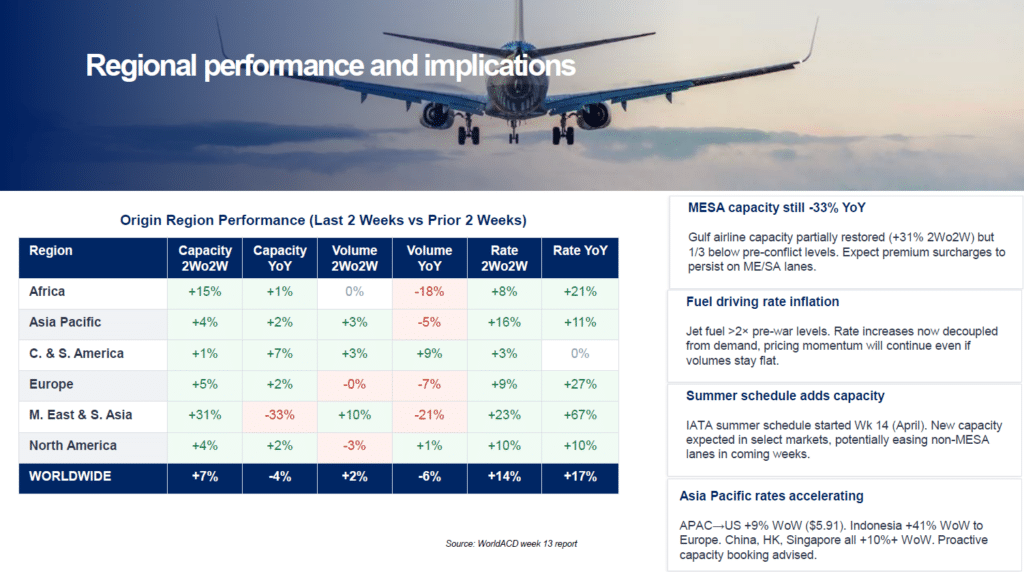
- Air Jet fuel: The largest shock across all transport fuels. Jet fuel does not just follow crude; it follows refinery output. With Gulf refineries unable to export through Hormuz, global jet fuel crack spreads have surged to record levels, pushing airline operating costs sharply upward.
- Road diesel: Diesel markets have diverged by region. Government caps in parts of Europe temporarily mask the true increase, whereas the US and parts of Asia are seeing rapid price jumps driven by refining bottlenecks.
What this means for freight costs?
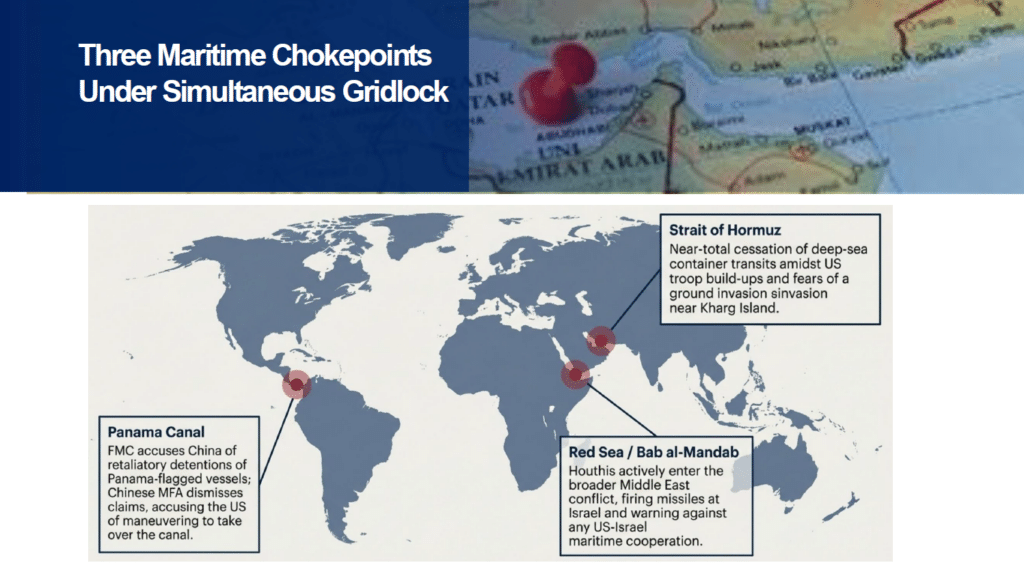
The current increases in transport costs are not driven by traditional supply-and-demand dynamics, but by fuel-specific disruptions across three major corridors: Hormuz, the Red Sea, and now emerging constraints around Panama. This means that even if freight demand softens, rates can continue rising because the primary cost driver is fuel, not volume.
Why this report matters?
- Understand the structural changes underway in global fuel markets.
- Recognize why BAF, FSC, and road fuel surcharges are rising at different speeds.
- Anticipate how prolonged disruption in the Strait of Hormuz may prevent prices from returning to pre‑February levels for some time.
- Position your supply chain strategies, accordingly, including budget planning, routing choices, and contract considerations.
The goal is to offer transparency, clarity, and timely insights so you can make informed decisions in an environment that continues.
Our teams at DSV remain at your service for any inquiry or request.
For additional information, please contact us at: info@il.dsv.com
DSV ISRAEL

PaaS – Parts as a Service
אופטימיזציה לשרשראות אספקה המאפשרת לייעל אותה בהיבט הלוגיסטי ולהפחתת פליטות פחמן
Drone system
אופטימיזציה לשרשראות אספקה המאפשרת לייעל אותה בהיבט הלוגיסטי ולהפחתת פליטות פחמן
DSV Digital
אופטימיזציה לשרשראות אספקה המאפשרת לייעל אותה בהיבט הלוגיסטי ולהפחתת פליטות פחמן
דוח קיימות ללקוחות
אופטימיזציה לשרשראות אספקה המאפשרת לייעל אותה בהיבט הלוגיסטי ולהפחתת פליטות פחמן
Ocean Forecasting
אופטימיזציה לשרשראות אספקה המאפשרת לייעל אותה בהיבט הלוגיסטי ולהפחתת פליטות פחמן
Visibility
אופטימיזציה לשרשראות אספקה המאפשרת לייעל אותה בהיבט הלוגיסטי ולהפחתת פליטות פחמן
דוח BI תקופתי ללקוחות
אופטימיזציה לשרשראות אספקה המאפשרת לייעל אותה בהיבט הלוגיסטי ולהפחתת פליטות פחמן
myDSV
אופטימיזציה לשרשראות אספקה המאפשרת לייעל אותה בהיבט הלוגיסטי ולהפחתת פליטות פחמן
לוגיסטיקה ירוקה
אופטימיזציה לשרשראות אספקה המאפשרת לייעל אותה בהיבט הלוגיסטי ולהפחתת פליטות פחמן
קיזוז פליטות פחמן באמצעות פרויקטי אקלים
אופטימיזציה לשרשראות אספקה המאפשרת לייעל אותה בהיבט הלוגיסטי ולהפחתת פליטות פחמן
מעבר לדלקים ירוקים
פתרון המאפשר לרכוש קרדיט דלקים ירוקים בחברות הובלה אוויריות, ימיות ויבשתיות
אופטימיזציה לשרשראות אספקה
אופטימיזציה לשרשראות אספקה המאפשרת לייעל אותה בהיבט הלוגיסטי ולהפחתת פליטות פחמן
הפקת דוחות פליטות פחמן
יעוץ תכנון וניהול פרויקטים רחבי היקף בארץ ובחו"ל

שירותי – TIME CRITICAL
כשזה דחוף ואתה זקוק למשהו שנמסר במהירות
הובלת פרויקטים מיוחדים
יעוץ תכנון וניהול פרויקטים רחבי היקף בארץ ובחו"ל

הובלה ברכבות
האלטרנטיבה הירוקה יותר מסין לאירופה ובתוך אירופה וצפון אמריקה

הובלה יבשתית
מקומי, למרחקים ארוכים, לאומי או בינלאומי

הובלה ימית
כאשר העלות חשובה והזמן אינו נושא

הובלה אווירית
כאשר הזמן והמהירות חשובים ביותר
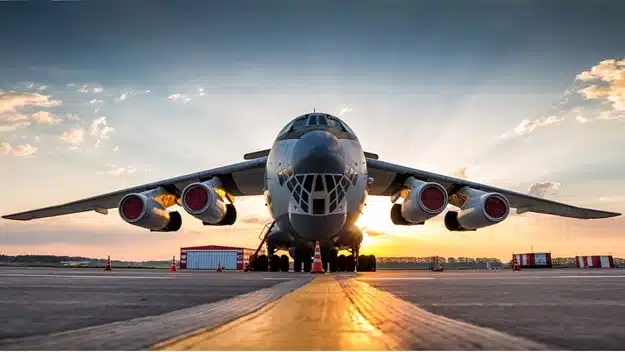
הובלה אווירית
כאשר הזמן והמהירות חשובים ביותר
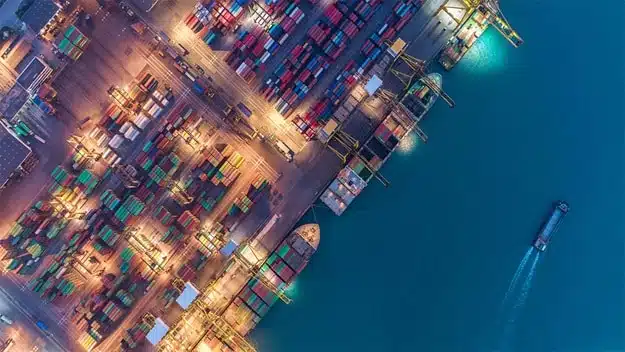
הובלה ימית
כאשר העלות חשובה והזמן אינו נושא
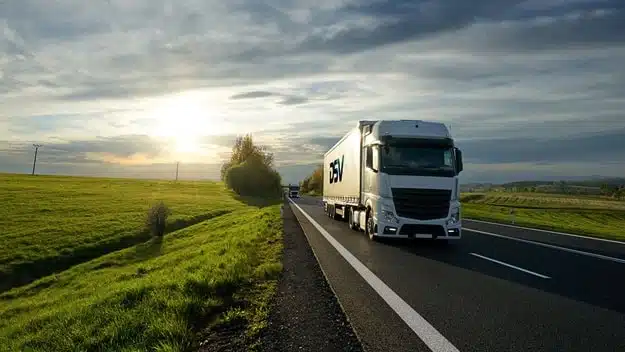
הובלה יבשתית
מקומי, למרחקים ארוכים, לאומי או בינלאומי

הובלה ברכבות
האלטרנטיבה הירוקה יותר מסין לאירופה ובתוך אירופה וצפון אמריקה
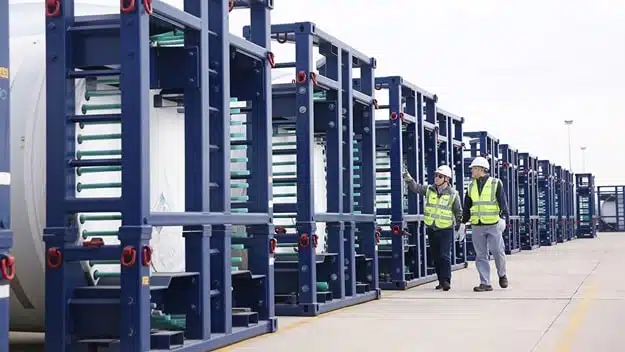
הובלת פרויקטים מיוחדים
יעוץ תכנון וניהול פרויקטים רחבי היקף בארץ ובחו"ל

שירותי – TIME CRITICAL
כשזה דחוף ואתה זקוק למשהו שנמסר במהירות

הפקת דוחות פליטות פחמן
יעוץ תכנון וניהול פרויקטים רחבי היקף בארץ ובחו"ל
חדשות אחרונות

סטאטוס חברות תעופה לתאריך 13/04/2026
סטטוס פעילות חברות תעופה

Flash Update 12/04/2026
תיקון להודעה בנושא שינוע חומ"ס
Flash Update 09/04/2026
עדכון – החלת היטל דלק מ-01/04/2026
עדכון חשוב – כניסת היטל דלק חדש לתוקף החל מהיום
פירוט היטלי דלק ומלחמה של חברות ספנות 31/03/2026

Flash Update 30/03/2026
שינויים במבנה המסרים למכס וגביית עמלת סייבר
Flash Update 29/03/2026